
Ready to start homeschooling in 2025 but feeling overwhelmed? This complete beginner’s guide covers everything new homeschool moms need to know for the 2025-2026 school year.
When you first step off the beaten path, leaving the conventional schooled path, you might have uncertainties and doubts; you might research & read more than Wiki itself.
Of course, it is a rite of passage for all new homeschoolers to do that, as one should (we are taking responsibility for our children’s education and that’s a big responsibility).
So, from this graduated homeschool mom to one just beginning her journey, here’s my guide to get started homeschooling in 2025…
I’m here to equip you to get clear and confident as you get started homeschooling so you don’t have to ride the tsunami waves of uncertainty, grapple in angst with other people’s concerns, or feel alone in your choice to do this thing: you really can do this homeschool thing confidently (and enjoy it too).
A big warm welcome to homeschooling!

Starting Homeschooling in 2025?
Are you homeschooling in 2025? You’re joining thousands of families who are choosing to empower and facilitate their children’s education. Whether you’re driven by concerns about traditional schooling, desire for more family time, or wanting a customized learning approach, this homeschool beginner guide will walk you through everything you need to know to begin confidently.
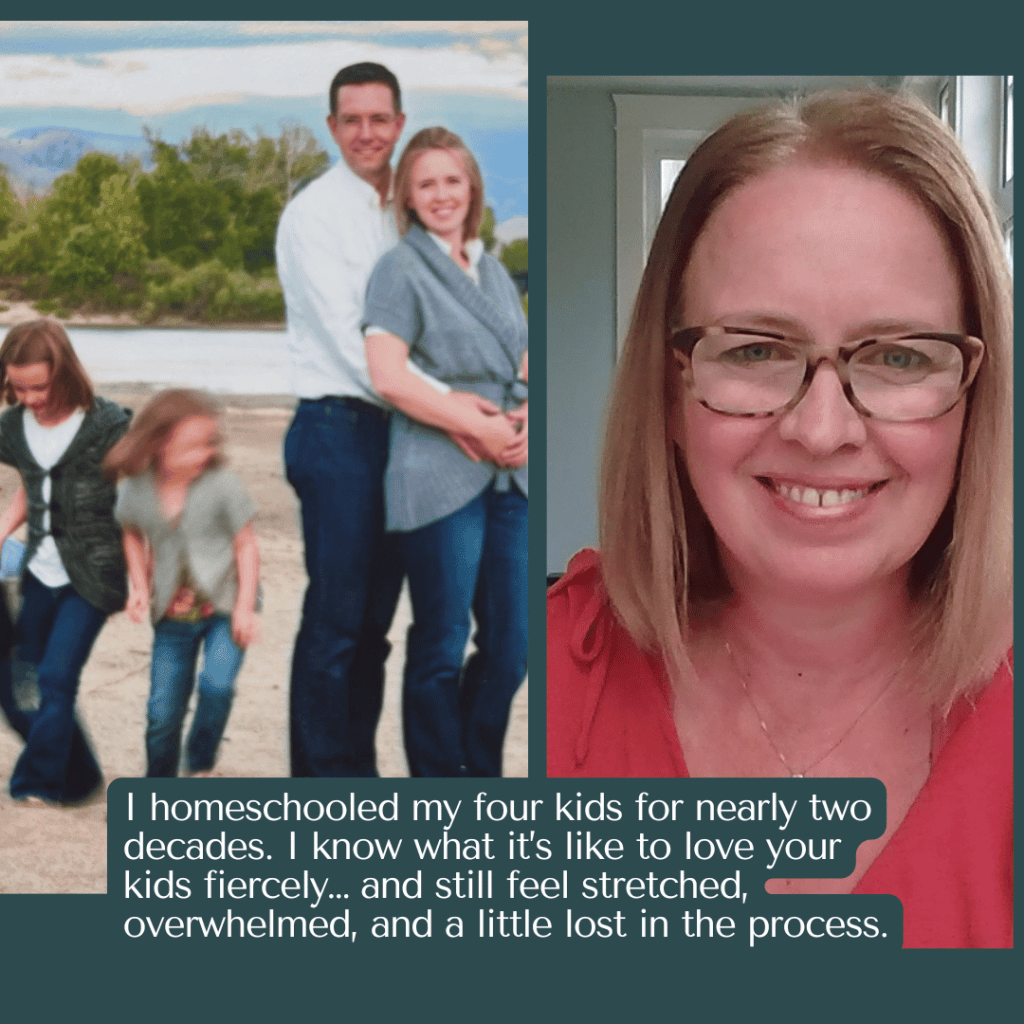
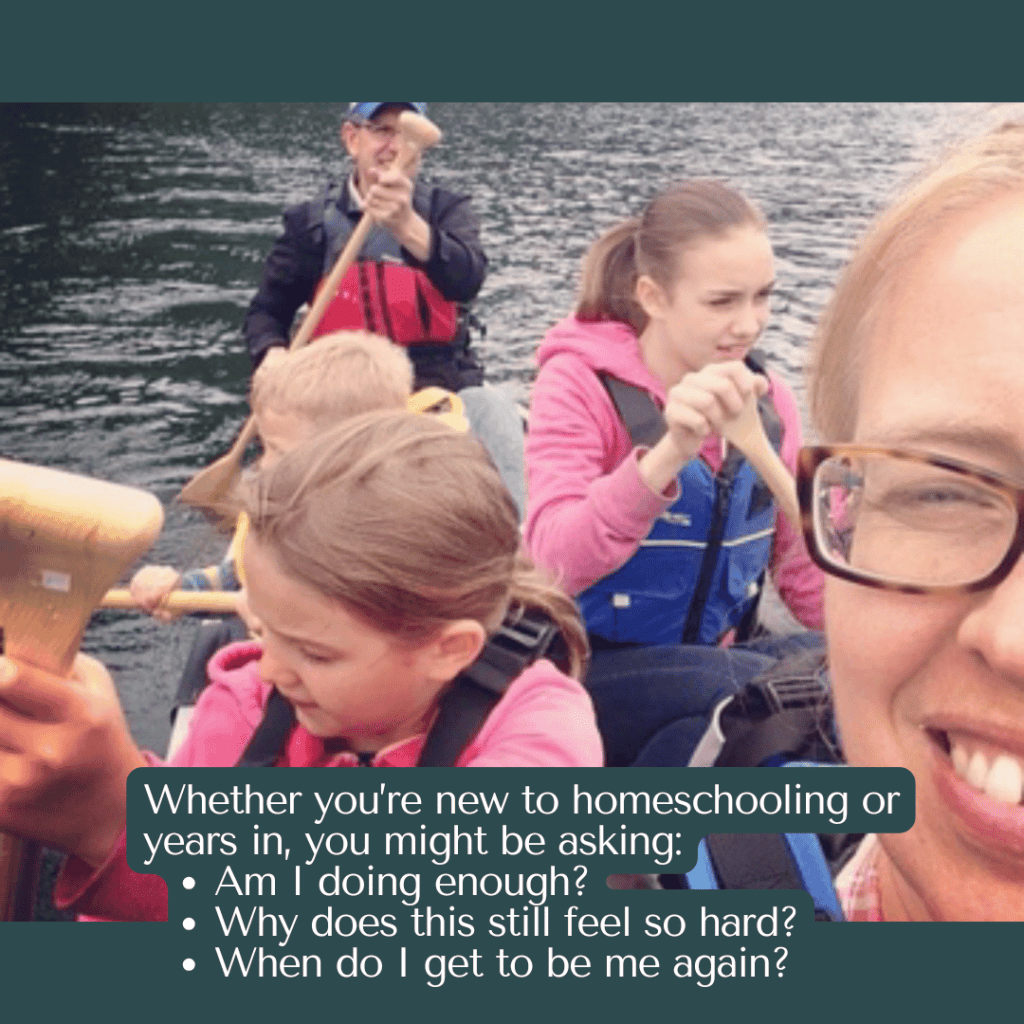
That first homeschool year can feel overwhelming, but with the right guidance and preparation, you can create an amazing educational experience for your children. (Ask me how I know! I am now a graduated homeschool mom of four remarkable, purposeful, and engaged humans).
This comprehensive guide covers all the essentials for new homeschool moms preparing for the 2025-2026 school year. I’m so glad you’re here! And WELCOME to homeschooling!
To make your transition into homeschooling easier, I’ve created the Confident Homeschool 101 Guide.
In the video below, I’ll walk you through how this free resource can support you step by step in your first year.
Why Families Choose to Start Homeschooling in 2025
Before diving into the how-to, let’s acknowledge why more families are choosing homeschooling than ever before:
- Personalized education tailored to each child’s learning style
- Flexible scheduling that works with your family’s lifestyle
- Stronger family bonds through shared learning experiences
- Protection from negative social pressures and bullying
- Freedom to incorporate your values into education
- Ability to move at your child’s pace without arbitrary grade levels
I’ll tell you straight, when I first heard about homeschooling, I thought, “Um, no way. I’m not weird, I don’t want my kids to be weird. I don’t like jean jumpers. I’m not someone who jumps out of the mainstream to do my own thing, what if I miss something (cause ya know, gaps!), how will they get into college, or will they struggle if they return to school, or will I ever get alone time again??
I had a whole lotta questions.
If you’ve got so many questions too, check out the following video that shares about the book that convinced me to homeschool in one week (yeah, one week!)
FYI I never did get into the jean jumper thing, but hilariously one of my grown daughters did, ha. Finding time along WAS challenging. Some of them attended high school and did just fine! And the one that didn’t also did just fine! (In fact, they all did amazing! But I’m their mom, so of course I’m going to say that, but actually they ARE amazing).
Okay, the book that changed our next two decades: The Homeschool Option…
Legal Requirements for Homeschooling: What Every Beginner Must Know
The first step is understanding the legal requirements in your area. Home education legal requirements vary by state, province, or country —and they vary significantly.
Every state, province, or country has different homeschool laws.
Here’s what you need to find out:
- Do you need to inform your school district?
- What documentation must you maintain? If any…some don’t require it.
- Are annual assessments mandatory?
- How many days/hours are required, if any?
- What subjects must be taught, if any?
Pro tip: Many jurisdictions have simpler requirements than you might expect. Don’t let legal concerns prevent you from starting your homeschool journey.
Howeva, you definitely want to know.
I recommend going to Facebook, type your state, province, or country’s name and “homeschool laws”, and ask home educating moms in your area where they would point to discovering the legal requirements (homeschool moms are resourceful and replete with the BEST answer).
PS getting to know the home education legislation will help build your confidence in addressing non-supporters in your life. (I can drill out the details of Section 12/13 of the British Columbia School Act with ease–the only legislation I can do that with).
Oh, and if you’re in British Columbia, Canada, I’ve got you covered. Our provincial home education legislation is found here.
If you’re in Canada, I’ve got you covered too. Find your province in this post. (Also discover curriculum options, Canadian podcasters and YouTubers here in Canada too. And so much more).
Homeschool Curriculum for Beginners: Making the Right Choice
Spoiler alert: there is no perfect curriculum.
Really, it doesn’t exist.
But now that I’ve told you that and you’re looking for it anyway;) Let’s chat curriculum…
Choosing your first year homeschool curriculum is often the most overwhelming decision for new families.
The good news? There’s no perfect curriculum – only what works for your family right now.
How to Choose Your Curriculum for Homeschooling in 2025
For your first year homeschooling in 2025, start simple:
- Focus on core subjects: math, reading, and writing
- Use the library extensively for science and history–the library has loads of amazing resources (& librarians are some of your favourite homeschool resources too! If you don’t have an annual library overdue payment, are you really a homeschooler?)
- Practice not thinking in grades, think in “unique kid” instead (who is the child in front of you, what do they want to learn, what might you want them to learn–thinking like this will save you a boatload of frustration and you’ll see your kids flourish right from the beginning. However, if you think that this sounds wildly unrealistic for you, consider doing a little deschooling first.)
- Deschool–everything you want to learn about deschooling here.
- choosing the right homeschool curriculum? Read more here.
Also, I’m just going to say it again…there isn’t one right curriculum (so save your credit card for other purchases, like mentos & coke bottles, blood typing kits, butterfly larvae, drawing books, science kits, and Legos, Minecraft subscriptions, and other stuff your kids like…unless they don’t like those, then buy stuff they like to do).
If you want inspiration for traditional school subjects, consider reading these:
(But hang out with me long enough and I’ll encourage you to NOT think in school subjects at all).
- How to Facilitate Child-Led Learning in your Homeschool
- 7 Important Reasons for Project-Based Homeschooling
- how to do homeschool science in a child-directed way
- Unearthing Ancient Wonders: Egyptian Homeschool History!
- How to Choose Homeschool Writing Activities for Any Kid
- How to Engage Art History in a Child-Directed Way
- Unschool music training by doing nothing at all
- why you can’t NOT teach math in your homeschool
- how to teach our kids strategies for teaching money skills
Understanding the Child in Front of You
One advantage of homeschooling is customizing education to your unique child. But most people think that means they need to uncover their child’s learning style.
Research declares that everyone has a variety of learning styles.
What I believe you’ll find more value in learning is this:
Academics aren’t the same as an education—so think outside the traditional learning box.
Sure, kids can learn from lectures, workbooks, and tests. But they can also learn in many other ways:
1. Games
Every game teaches something.
- Chess builds strategy.
- Chutes and Ladders teaches simple math.
- Professor Noggins’ games cover geography, astronomy, habitats, and more.
- Poker shows statistics in action.
Board games, card games, dice games—even car games—all have learning potential. Consider incorporating them into a Fun Friday routine.
2. Conversations & Questions
Learning happens anytime curiosity sparks a conversation. A radio program, a current event, a book, or even a passing comment can turn into fertile ground for critical thinking.
Every conversation is a learning opportunity.
(And fyi you’ll want to record the interesting conversation, and often hilarious conversation bits you have with your kids, so get a cheap notebook for each of them and write stuff down as you homeschool–you’ll laugh your head off together when they are grown. Ask me how I know).
3. People Outside Your Home
Homeschooling doesn’t mean staying home. When your kids show interest in something beyond your skills, mentors and community resources can step in—sometimes for years, sometimes just for an afternoon. Either way, those connections can be deeply educational.
In the early pandemic, my pre-teen son got to have a conversation with a local engineer who was -creating homemade ventilators for our local hospital (my husband is a physician)–what a conversation that was.
Also, every single time we traveled literally anywhere, the people beyond our residence were a wealth of interesting learning opportunities. You can read about our travels here.
4. Books, Shows, Music, Media
Anything your child reads, watches, or listens to can add to their education. Just because it doesn’t look like school doesn’t mean it isn’t learning. (Even classrooms use films, documentaries, games, and online programs.)
If your child is learning, it counts.

This is one of our girls doing a daddy-daughter surgery/anaesthesia day (only possible in rural Africa;) Not coincidentally, this kiddo began a rural pre-med science program yesterday!
Creating Your Schedule for Homeschooling in 2025
New homeschool moms often worry about creating the perfect schedule. The truth is, flexibility is one of homeschooling’s greatest advantages.
But here’s my truth: I’m horrible at being flexible. I don’t like it. You’re welcome universe!
And also, the truth is?
Alongside the myth of perfect curriculum is the myth of the perfect routine. NEITHER exist. In different years, you’ll do different things.
Quickly we learn what actually works for us and our kids. Maybe our child is neurodivergent; maybe WE are neurodivergent. And we just can’t execute on traditional approaches.
Maybe you’re a working homeschool mom (like working/creating something outside your homeschool family, obviously). You’ll have an extra special challenge. ps I made something for you here.
There are loads of reasons why YOU will do your homeschool in YOUR way–and you and your routine are perfect just the way you are!
Have no fear, you can make anything work, in any way, as long as you want to! (Oh, and also as long as your kiddo is motivated. More on the myth of motivating here.)
But since I know you want some idea, some sample homeschool schedule, here’s a suggestion (suggestion not a prescription:)
Morning Focus Time (9:00-11:00 AM):
- Math (when minds are fresh)
- Reading/Language Arts
- One-on-one instruction time
Mid-Morning Break (11:00-11:15 AM):
- Snack and movement time
- Outdoor play or exercise
Late Morning Learning (11:15 AM-12:00 PM):
- Science or history
- Hands-on activities and projects
Afternoon Activities (1:00-3:00 PM):
- Art, music, or life skills
- Educational games and free play
- Quiet afternoon time — readalouds or projects for them (& you)
- Field trips and outings
Flexible Scheduling Tips
- Start with a loose routine rather than rigid time blocks
- Adjust based on your family’s natural rhythms
- Incorporate morning routine for you (oh, and a quiet afternoon break too)
- Allow for spontaneous learning opportunities
- Include regular breaks for movement and snacks
- Plan for shorter attention spans with younger children (& possibly older children too!)
- Oh, and leave once a week, without the kids, anywhere. (I mean that, this IS your Burnout Prevention Plan)
My magic tool is Time Auditing and Time Blocking. Learn more here, grab the Time Blocking Guide, or join me in coaching, and I’ll teach you how to customize it.
But most importantly, recognize you DON’T have unlimited energy, you will never do all the things you want to do (ain’t no time for that), and no homeschool mom ever lesson plans everything or checks every box (also no TEACHER does that either)…but you can guarantee that if you try, you will burn out. (Ask me how I know;)
Teresa Wiedrick, author of Homeschool Mama Self-Care: Nurturing the Nurturer
(the book I wrote because I burned out)
Building Your Homeschool Support Network
Homeschool support groups are essential for success, especially during your first year. Don’t try to navigate this journey alone.
Where to Find Homeschool Support
Local Resources:
- Facebook groups for your city/area
- Co-ops and learning groups
- Park days and social gatherings (go to a public playplace during a schoolday and introduce yourself to your new best friends: another homeschool family;)
- Homeschool conventions and curriculum fairs (but spend more time trying to make friends, less time trying to decide what to buy. FYI everything is online).
Online Communities:
- Support groups for new moms like mine, the Confident Homeschool Mom Collective. You should come! I’d love to meet you.
Professional Support:
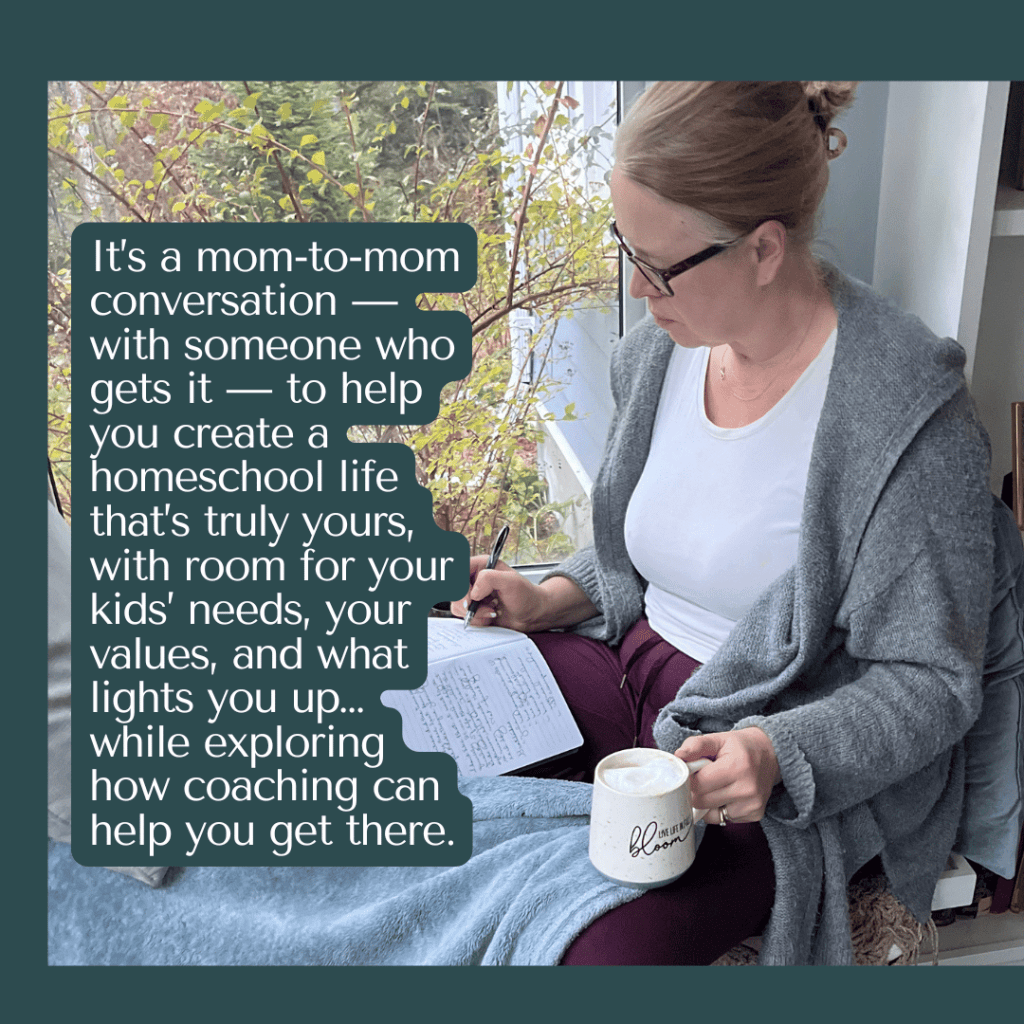
- Homeschool consultants and coaches: or meet me for your free Aligned Homeschool Reset session (this is what I do full-time as a certified life coach for homeschool moms).
About the Collective from Michelle…
“The Collective is the highlight of my week to connect on Fridays and the daily updates on Patreon. I would describe this group has having unwavering support. Everyone I have met in this group I feel would have my back. We may not have the same background or beliefs but because we are all on the same path we can deeply understand have have compassion for each other. It’s such a beautiful thing ❤️. From my experience, this group is different in that there isn’t a “one up man ship” mentality. There is offers of support and suggestions to try but not in any way condescending. There isn’t the feeling of needing to compare. I love the non-judgmental connections in the Collective. We are all from different backgrounds with different life experiences but there is an amazing respect and care shown by all members with each other.”
If you’re ready to explore more ideas to shape your homeschooling in 2025, I’d encourage you to check out my Guide to Homeschool in 2024.
Inside, I walk through the kinds of questions many new (and seasoned) homeschool moms are asking, like:
- How do I start with a kindergartener? (20 simple ideas)
- What really is an education? (a fresh perspective on the art and science of learning)
- How do I plan what I want my kids to know?
- How can I weave play into our day?
- What’s it like to homeschool a high schooler—or even unschool high school?
- What do kids need to know before starting high school at home?
- 7 Important Reasons for Project-Based Homeschooling
- How do I motivate my child toward curiosity and independence?
- Why homeschool at all? (8 reasons my family chose this path)
- Do I need to be a certified teacher to teach my own kids? (short answer: no!)
- How do I know if homeschooling is right for our family?
And don’t forget—you can also grab your free 14-page Confident Homeschool 101 Guide (or purchase a copy on Etsy if that’s easier for you).
It’s a perfect companion to help you start homeschooling with confidence.
Record Keeping for Beginners Homeschooling in 2025
Write you did AFTER you did it. That’s the most simple approach to record keeping. Sure, you can chart out the next 180 instructional days with lesson plans and a colour-coded daytimer (I know I did! But I also told you about my burnout story;)
If you’re joining me in the Confident Homeschool Mom Collective, I can guide you through creating a
- Subject log noting what was covered
- Portfolio of work samples and projects
- Photo documentation of activities and field trips
- Reading list of books completed
You can also watch me unbox my homeschool daytimer of preference here:
Common Homeschool Challenges and Solutions
Every new homeschool mom faces similar challenges. Here are the most common ones and how to overcome them:
“I Don’t Feel Qualified to Homeschool”
Reality check: You don’t need a teaching degree. You need:
- Love for your children
- Willingness to learn alongside them
- Patience with the process
- Access to good resources and support
“What About Socialization?”
The truth: Homeschooled children often have more diverse social opportunities than traditionally schooled kids. They interact with people of all ages in real-world settings through:
- Community activities and sports
- Volunteer opportunities
- Homeschool co-ops and groups
- Neighborhood friendships
“What if My Child Falls Behind?”
Remember: Every child learns at their own pace. Homeschooling allows you to:
- Spend extra time on challenging concepts
- Move quickly through material they’ve mastered
- Revisit topics when developmentally appropriate
- Focus on understanding rather than grade levels
- Accept that your child is capable to what they’re capable
Setting Realistic Expectations for Your First Year
Starting homeschooling comes with a learning curve. Set yourself up for success with realistic expectations:
What to Expect in Your First Year
Months 1-3: Adjustment Period
- Everyone is learning new routines
- Expect some resistance and pushback
- You’ll question your decisions (this is normal!)
- Focus on building relationships and routines
Months 4-6: Finding Your Rhythm
- Routines become more natural
- You’ll identify what works and what doesn’t
- Children adapt to homeschool lifestyle
- Confidence begins to build
Months 7-9: Hitting Your Stride
- Homeschooling feels more natural
- You’re comfortable making adjustments
- Children are engaged and learning
- You see the benefits of your choice
Success Tips for New Homeschool Families
- Start slowly and build gradually
- Be flexible with your plans and expectations
- Connect with other families for support
- Remember your why when things get tough
- Trust the process and your instincts
Oh, and know that you’ll likely not find your stride in all these things the first year. In my experience? It was around year 6, just sayin.
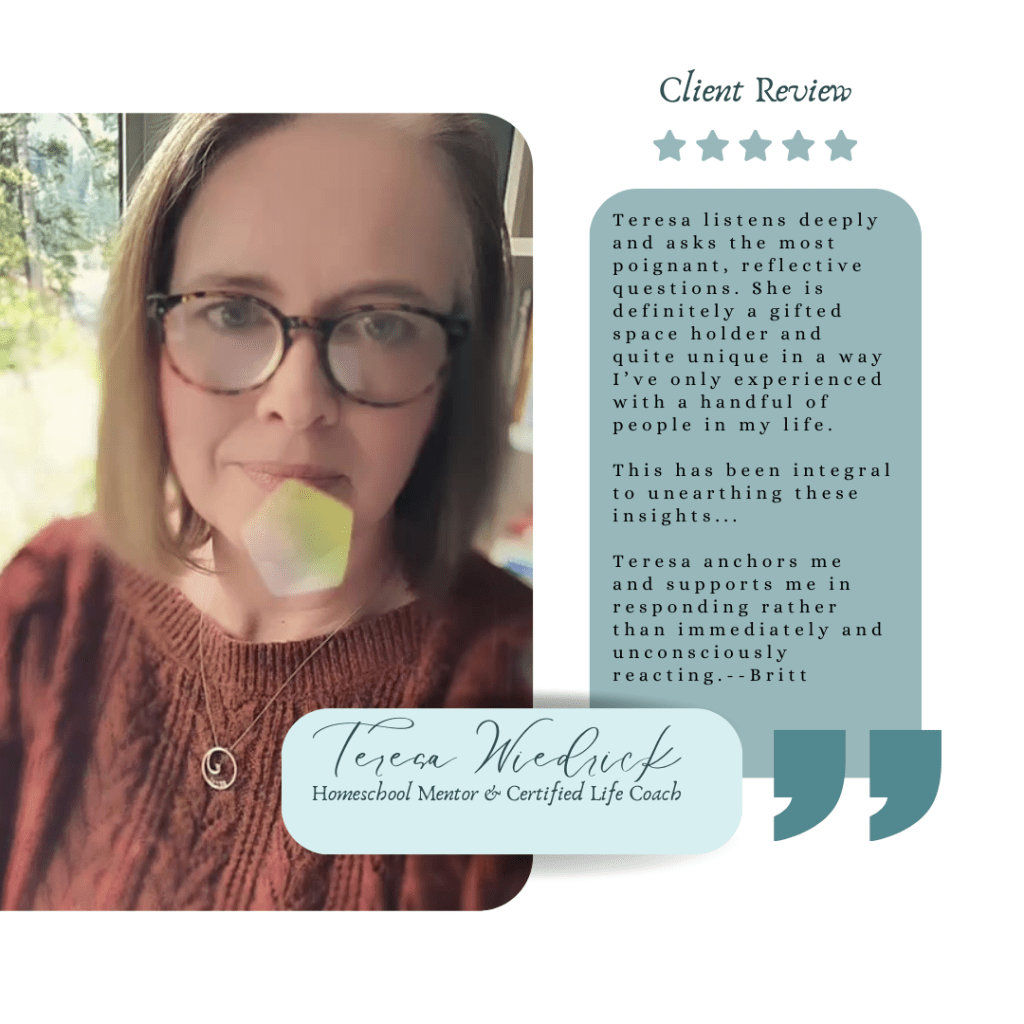
If you want to accelerate the process? Join me in coaching.
Or if you just want to check if your upcoming homeschool plan might work, join me in an Aligned Homeschool Reset session (it’s free, we can meet, and YOU can get a boost of confidence).
Your Homeschool in 2025 Starts Now
Starting homeschooling is one of the most rewarding decisions you can make for your family. While it may seem overwhelming initially, thousands of families successfully navigate this path every year.
Remember that homeschooling for beginners is a marathon, not a sprint. You don’t need to have everything figured out before you start. You’ll learn as you go, adapt as needed, and create an educational experience perfectly suited to your family’s needs.
The 2025-2026 homeschool year is going to be amazing – not because everything will be perfect, but because you’re choosing to be intentional about your children’s education. You’re choosing relationship over group-think and real learning over schooled performance.
You’ve got this, mama. Trust yourself, trust your children, and trust the process. Your homeschool journey is going to be amazing! (Except for the seasons where it’s challenging, then you know where to find me;)
Teresa Wiedrick, your Homeschool Life Coach



Ready to Start Your Homeschool in 2025?
Need more support for your first year? Join our community of new homeschool moms where you can:
- Ask questions and get practical advice
- Share wins and challenges
- Access exclusive resources and guides
- Connect with families in your area
Remember: There’s no one right way to homeschool. There’s only your way, and it’s going to be perfect for your family.
Start homeschooling in 2025 with confidence—this guidebook helps you create a personalized, stress-free plan while keeping learning fun for your kids.

The New Homeschooler’s Quick Guide: 9 Mistakes to Avoid for a Stress-Free First Year
“The New Homeschooler’s Quick Guide: 9 Mistakes to Avoid for a Stress-Free First Year” will help you confidently begin your homeschooling journey! This Quick Guide, crafted by an experienced homeschool parent, is your roadmap to a successful start.
Inside, you’ll discover:
– Strategies to navigate legal requirements and curriculum choices
– Tips for balancing family life with homeschooling
– Insights on creating personalized learning routines
– Advice on managing family dynamics
– Confident responses to common homeschool questions
Perfect for new homeschoolers or those in their early years, this guide addresses real concerns like socialization, patience, and unrealistic expectations. Learn to trust your instincts, embrace flexibility, and celebrate progress.
Don’t let doubt hold you back. With practical advice and encouraging wisdom, you’ll build a strong foundation for a fulfilling homeschool experience. Welcome to the rewarding world of homeschooling—you’ve got this, girlfriend!
When homeschooling in 2025 people also ask:
- 3 Things You Need to Know Before You Homeschool
- Get Help with your 2024 New Homeschool Year Planning
- Homeschool Mom Boundary Issues? You’re Not Doing This…
- when you buy new homeschool curriculum: 5 clever suggestions
- Crush 1st-Year Homeschool Frustrations and Plan a Smooth Year 2
- Impact of Homeschooling on Families: Embrace Diversity in Education
- 7 Ways Brené Rescued Me from One of those Homeschool Days
- how to choose the best curriculum for your homeschool
- You’re Invited to the Confident Homeschool Mom Collective
- Encouragement for New Homeschoolers
- How to Homeschool and Not Lose Yourself
- No Homeschool Group Near Me? Find Your Community Here!
- 9 Mistakes That Make Your 1st Homeschool Year Stressful (& How to Avoid Them)
- Confident Homeschooling: Mastering Your Boundaries
- How to Incorporate Ten Self-Care Tips for Homeschool Moms
- Top Tips for New Homeschool Moms in Season 3
- Healing Through the Homeschool Mom Life
- 12 Insider Tips for Homeschool Moms to Lower Stress
- Interest-Led Homeschool for Confident Moms
- Why I Homeschool, Unexpected Challenges & My Transformation

Teresa Wiedrick
I help overwhelmed homeschool moms lead with confidence, clarity & presence – so it feels aligned inside & out.
Join me to reset your homeschool life and reconnect with what matters most.
